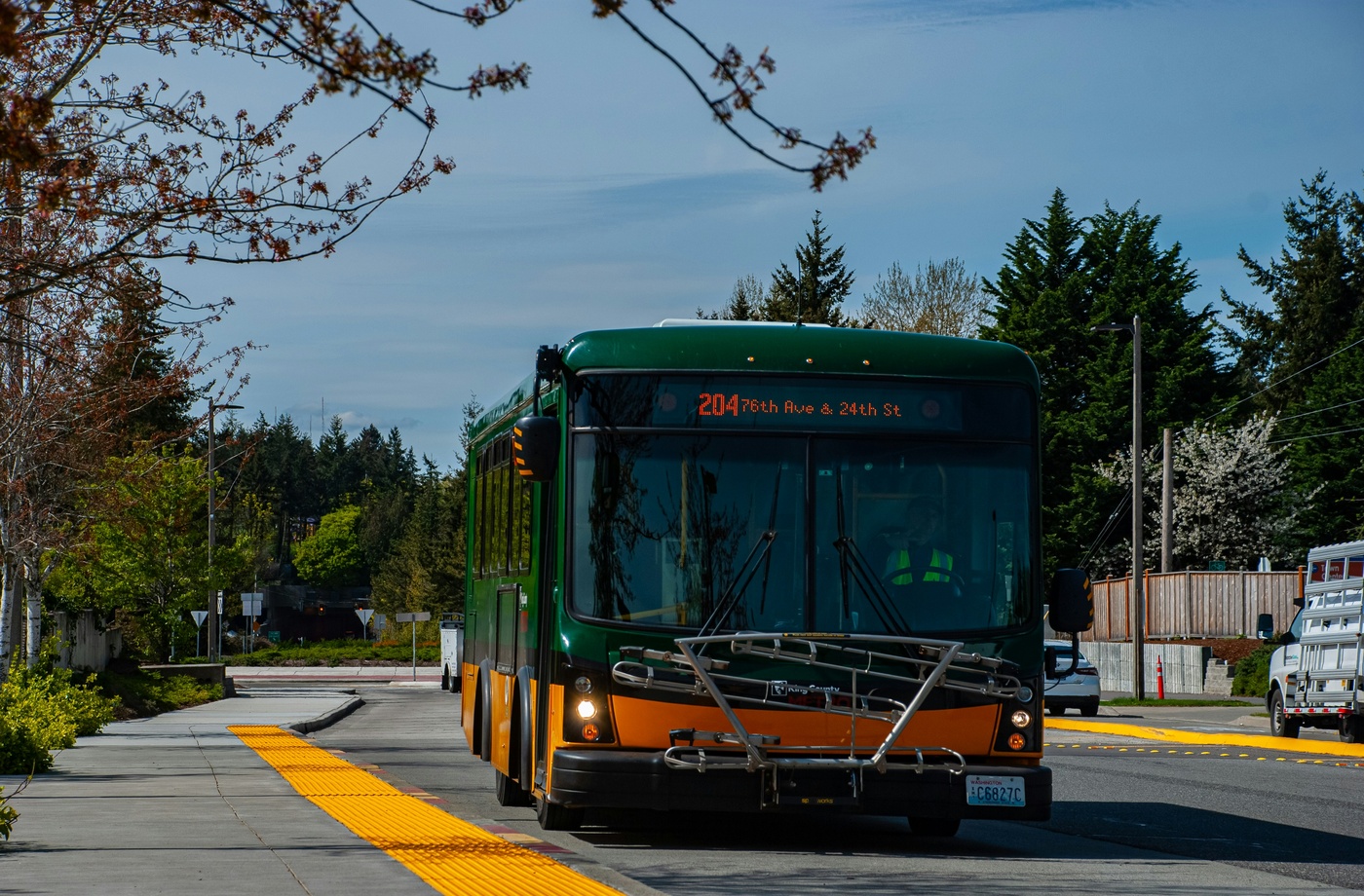

For college students navigating campus life without a car, public buses are a reliable and affordable alternative. But even when fares seem low, riding the bus regularly can eat into a tight budget—especially for students commuting daily or exploring surrounding areas. Fortunately, most cities and universities offer discounts, subsidized transit programs, or bundled fare solutions that can dramatically lower your transportation costs.
Here’s how to cut down your bus fare as a student and ride smarter every semester.
Check If Your School Offers a U-Pass or Transit Bundle
Many colleges and universities partner with local transit agencies to offer free or heavily discounted bus access through programs like U-Pass, Eco Pass, or a student transit card. These passes are typically charged as part of student fees or available at a flat discounted rate. They can offer huge savings if you commute frequently or use transit for extracurricular activities.
Explore City-Based Discount Programs for Youth or Students
Even if your school doesn’t participate in a U-Pass program, your local transit agency may offer a standalone discount for students. These are often available to riders under a certain age (e.g., 18–25) or those with a valid student ID.
You’ll often need to apply with school documentation or proof of enrollment, so plan ahead before the start of the semester.
Buy Semester Passes Instead of Monthly Reloads
Some agencies offer semester-long passes, especially for students who don’t receive a free U-Pass. These passes are often cheaper than buying four separate monthly reloads and remove the hassle of managing balances mid-term.
Use Fare Apps for Added Convenience
Most transit systems now support digital passes via fare apps. Apps like:
allow you to purchase and store your fare on your phone. While this blog doesn’t focus on cashback apps, note that some fare purchases made through digital wallets can be stacked with gift cards or rewards tools for added savings.
Avoid Overpaying by Planning Your Trips
Students sometimes spend more than necessary by forgetting to use transfers or paying for overlapping routes. Take a few minutes to learn how your local system handles transfers and fare windows. Some cities allow free transfers within 90 minutes; others may charge unless you use a fare card or mobile app.
Final Tip: Don’t Pay More Than You Need To
Always check whether your tuition already includes a transit fee—many students unknowingly double pay for monthly passes. A quick call to your school’s transportation office or a glance at your student fee breakdown could save you hundreds annually.